Personal tools
Questions?

434.924.3627

Document Actions
Navigation
 

Dementia

Dementia is the name given to a group of symptoms involving congnition. In order to be diagnosed with dementia, there must be: A disturbance in memory A ...

condition

Definition

Dementia is the name given to a group of symptoms involving cognition. In order to be diagnosed with dementia, there must be:

  • A disturbance in memory
  • A decline in one or more cognitive domains that cause functional impairment in:
    • Language
    • Visuospatial function
    • Executive function (foresight, planning, anticipation, insight)
    • Praxis (learned motor skills)

Some Areas of the Brain Affected by Dementia

Nucleus factsheet image
© 2011 Nucleus Medical Media, Inc.

Causes

Causes of dementia include:

Risk

Risk factors for dementia include:

Symptoms

They often begin mildly and progress over time. Symptoms vary according to the cause of the dementia, but often include:

  • Increasing trouble remembering things, such as:
    • How to get to familiar locations
    • What the names of family and friends are
    • Where common objects are usually kept
    • How to do simple math
    • How to do usual tasks, such as cooking, dressing, bathing, etc.
    • How to drive
    • How to pay bills
  • Having difficulty concentrating on tasks
  • Having difficulty completing sentences due to lost/forgotten words (may progress to complete inability to speak)
  • Forgetting the date, time of day, season
  • Getting lost in familiar surroundings
  • Having mood swings
  • Being withdrawn, losing interest in usual activities
  • Having personality changes
  • Walking in a slow, shuffling way
  • Having poor coordination
  • Losing purposeful movement
diagnosis

Diagnosis

Doctors diagnose dementia by:

  • Getting an extensive medical history from you and your family
  • Closely observing you
  • Doing a physical and neurological exam
  • Doing mental status and psychological tests

There are no blood tests or exams that can definitively diagnose Alzheimer's disease. Certain types of brain imaging such as a SPECT or a PET scan may aid in a diagnosis. Tests to rule out other causes of dementia and other medical conditions that may mimic dementia include:

  • Blood tests for syphilis, vitamin B12 , folate , thyroid, liver, and kidney function
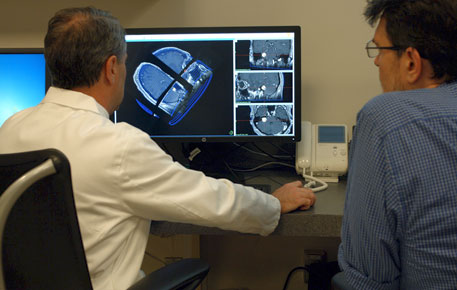
  • CT scan —a type of x-ray that uses a computer to make pictures of structures inside the head
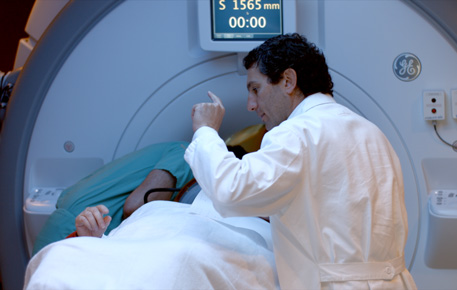
  • MRI scan —a test that uses magnetic waves to make pictures of structures inside the head
  • PET or SPECT scans—tests that use dyes to measure the activity levels of various areas of the brain (used in some cases)
  • Lumbar puncture —a test of the cerebrospinal fluid (CSF) from the lower back; may be done to look for infection or bleeding
  • Electroencephalogram (EEG) —a test that records the brain's activity by measuring electrical signals from the brain

The doctor will also check to see if you have depression. It can often present like dementia.

treatment

Treatment

Currently, there are no treatments to cure many types of dementia. Various drugs are being studied to see if they can decrease the symptoms of dementia or slow its course.

Medications

Only two types of medicines have been approved to reduce the symptoms of Alzheimer's disease:

  • Cholinesterase inhibitors—approved and recommended for mild to moderate Alzheimer's disease (eg, donepezil [Aricept], rivastigmine [Exelon], galantamine [Reminyl])
  • N-methyl-D-aspartate (NMDA) receptor antagonist—approved for moderate to severe Alzheimer's disease (eg, memantine)

Treatments that are being studied include:

  • Gamma-secretase inhibitors
  • Tau fiber aggregation inhibitors
  • Herbs and supplements (eg, vitamin E, ginkgo biloba, huperzine A)—The evidence is mixed as to the effectiveness of these natural remedies.
Lifestyle Management

This type of support is critical for people with dementia. Behavioral and environmental support includes:

  • Keeping you safe in your home
  • Providing a calm, quiet, predictable environment
  • Providing appropriate eyewear and hearing aids, easy-to-read clocks, and calendars
  • Participating in music therapy and/or dance therapy
  • Participating in occupational therapy for daily activities
  • Encouraging light exercise to reduce agitation and relieve depression
  • Eating a healthy diet (eg, Mediterranean diet)
  • Discussing healthcare wishes with family members and doctors and appointing a healthcare proxy and a legal power of attorney
Psychiatric Medications

People with dementia often develop psychiatric symptoms and may need appropriate treatment, such as:

  • Antidepressants
  • Anxiolytics—to treat anxiety
  • Antipsychotics—to treat severe confusion, paranoia, and/or hallucinations
    • These must be used with caution and are not generally recommended in people with dementia. There are reports of increased risk for stroke or death in elderly patients with dementia.
  • Mood stabilizers—to treat dangerous or disruptive behaviors
Caregiver Support

Caring for a person with dementia is very difficult. Those providing care will need support. The Alzheimer’s Association is an excellent resource for families and caregivers.

prevention

Prevention

While the exact cause of dementia is not known, these steps may help to reduce your risk:

  • Eat a healthy diet. This will help you to maintain good levels of vitamin B12 and cholesterol.
  • Exercise regularly. This can also enhance cardiovascular health, which may delay the onset of vascular dementia.
  • Drink alcohol only in moderation. This means no more than two drinks per day for a man, and one drink per day for a woman. Moderate amounts of alcohol may decrease your risk of dementia. But higher amounts of alcohol can increase your risk of dementia.
  • Avoid drug abuse. Also, practice safe sex. This can reduce the risk of AIDS -related dementia.
  • Engage in mentally stimulating activity. This may also reduce the risk of Alzheimer’s disease.
Related Doctors
Jason Freeman Neuropsychology
Kathleen Fuchs General Neurology
Aval-Na'Ree Green General Medicine, Geriatrics and Palliative Care
Kenneth Leone General Neurology
See all Doctors >
You Should Know

In-Depth Neurosciences News

facebook-icon.jpg  twitter-icon.jpg