Bird Flu FAQs: Everything You Wish You Didn’t Need to Know About Bird Flu
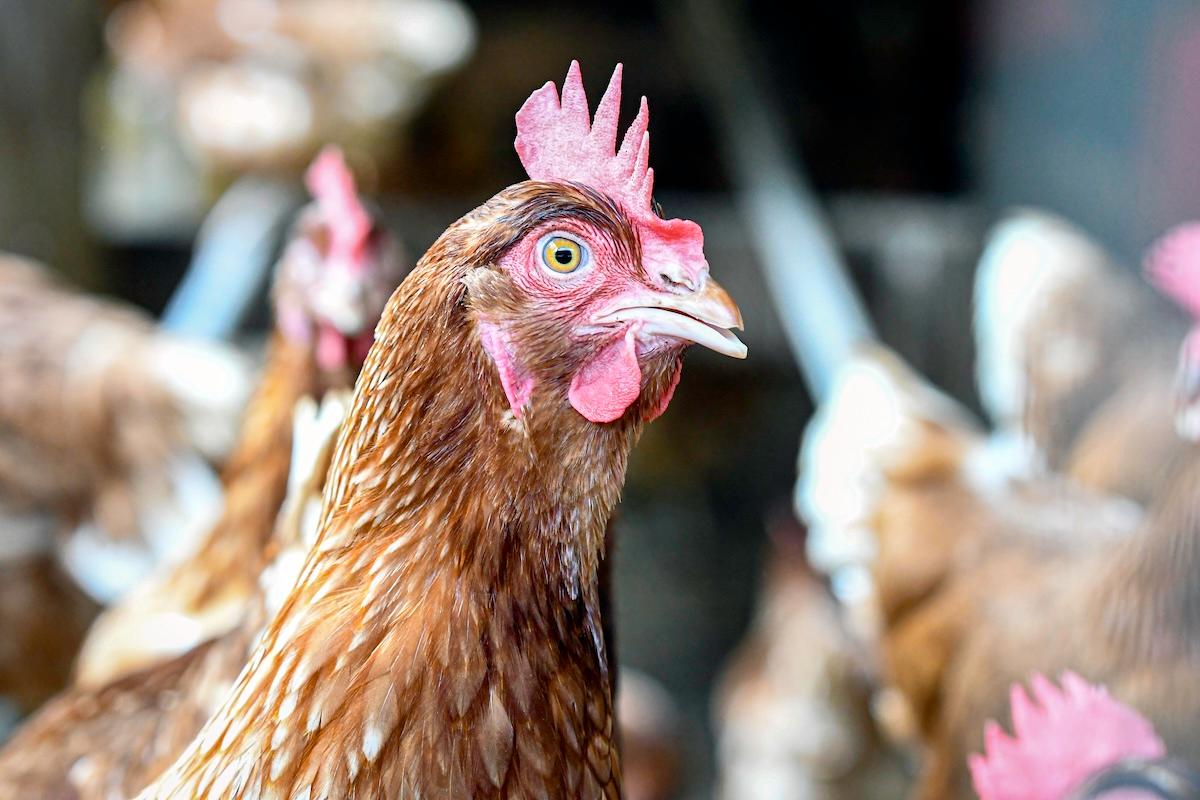
If you’re reading headlines about bird flu and wondering what to do, you’re not alone. The gradual increase in cases has everyone concerned about the pandemic potential of this virus. But Patrick Jackson, MD, an infectious disease expert at UVA Health, doesn’t think there’s much for the average citizen to worry about, yet.
Is Bird Flu in Virginia?
Yes. The Richmond Zoo announced that 2 of its cranes passed away due to the H5N1 bird flu.
This isn’t a surprise to Jackson. “We’ve known for a long time that H5N1 influenza in its current strain is widely distributed,” he says. Ultimately, the loss of the cranes is something that’s a sad but predictable consequence for animals who have contact with wild flocks.
Where Did Bird Flu Come From?
Bird flu was first described in 1878. It was described as a “fowl plague.” But in 1981, we started calling it the bird flu.
Bird flu is actually a kind of influenza A, like the swine flu. These viruses can cross species.
Are People Able to Get Bird Flu?
Yes. The first bird-to-human transmission occurred in 1997. The first case in the United States happened in April of 2022.
In 2024, 67 people in the United States were diagnosed with bird flu. 1 person in Louisiana died.
What Are the Symptoms of Bird Flu?
Bird flu has pretty standard flu-like symptoms:
- Fever
- Fatigue
- Cough
- Muscle aches
- Sore throat
- Pink eye
But bird flu is particularly concerning when severe symptoms happen. These don’t occur in all cases. When they do happen, they include:
- Seizures
- Trouble breathing
- Very high fever (over 103 degrees Fahrenheit)
- Organ failure (kidneys, liver, & heart)
- Brain inflammation
Feeling Under the Weather?
Whether it's bird flu or the standard variety, your primary care doctor can help.
Is Bird Flu Serious in Humans?
Historically, almost 50% of people infected with bird flu have died from it. But the symptoms from the current strain appear to be milder. It’s also possible that mild cases in the past have gone undetected.
Who Is at Risk of Bird Flu?
People who directly interact with poultry or cows are the most at risk. Of the people infected in the United States, only 4 didn’t work directly with dairy cows or poultry.
People most at risk include:
- Poultry workers, including those working with chickens, ducks, and geese
- Wildlife workers
- Veterinarians
- People with chickens or cows
- People with underlying health conditions, like asthma
- People eating foods prepared unsafely
Wait, It Can Infect Dairy Cows?
The current strain of bird flu can infect dairy cows. This is the first time that bird flu has been found in cows. Researchers have previously detected the virus in over 200 animals, including lions, tigers, and bears. Oh my.
Are Other Animals at Risk?
Animals that have contact with birds or cows can also get sick. Most recently, several cats have died after getting bird flu.
Cats can catch it if they’re outdoor cats who hunt birds or if they’re eating raw bird meat that’s infected. Several cats also died at a dairy farm after ingesting unpasteurized, or raw, milk.
How Can I Avoid Getting Bird Flu?
For most people, Jackson doesn’t think any additional precautions are needed, unless cows or birds are a regular part of your life.
But if you’ve got a flock of backyard chickens or routinely hunt, there are additional pieces of advice.
”Protect yourself using appropriate personal protective equipment. People who have backyard chickens should be really aware of how their chickens are doing and be very cautious in dealing with any animals that look to be sick or animals that are dead. Use appropriate protective equipment when handling those. Hunters should take appropriate precautions when handling or dressing birds that they've caught,” Jackson says.
Will the Flu Vaccine Protect Me from Bird Flu?
Unfortunately, no. The flu vaccine doesn’t protect against bird flu. But it does make it less likely that you’ll get the bird flu and the regular flu at the same time. This is obviously good for you, but it’s also good for everyone.
One of the things that could make bird flu capable of human-to-human transmission would be if bird flu and the regular human flu mixed. A hybrid bird-human strain would greatly increase the risk of a pandemic. Fortunately, this is not a concern right now.
What If I Know Someone with Chickens?
As of right now, person-to-person transmission hasn't happened. As long as you’re not handling their chickens and they’re washing their hands, you should be fine.
What About Eating Chicken, Eggs, and Dairy?
As long as you heat your food to above 165 degrees Fahrenheit, you’re safe. Bird flu can’t survive at that temperature. Neither can salmonella or E. coli, the more common infections we get from improperly prepared food.
But, for sure, now is not the time for runny eggs.
Do I Have to Heat Up My Milk?
If you buy milk from your local grocery store, it’s most likely pasteurized. Pasteurization is a process where the milk is heated to get rid of microorganisms. It kills 99.9% of disease-causing microorganisms, including the bird flu virus.
Where To Get Updates
If you’re concerned about bird flu cases, the Virginia Department of Health is posting about cases in Virginia. They also have additional resources for concerned dairy farmers. Those with backyard chicken flocks can check out the CDC’s guidelines for staying well while caring for your flock.
Subscribe to Healthy Balance
Get timely health and wellness tips from UVA Health experts. Plus, stories that will move you.
Article Topics
Related Articles