A Question of Trust? Heart Disease Disparities in Research & What We’re Doing About It
Black Americans are more than twice as likely as whites to die from heart disease. The reason? There’s more than one. Systemic health disparities and inequities — including bias in healthcare — play a large role, for sure. But one factor often overlooked is the lack of ethnic and racial minorities in clinical trials. Without learning how heart disease and heart disease treatments affect different groups, heart disease disparities for people of color will continue.
Heart disease is the leading cause of death in the U.S. It affects people of all racial and ethnic groups. According to statistics from the Centers for Disease Control and Prevention (CDC), someone in the U.S. dies from some form of heart disease every 34 seconds.
Research Helps Refine Care
Clinical trials are one of the most important ways we discover new medicines, treatments, and guidelines for care. We know that diseases don’t affect every group in the same way.
For instance, some groups are more likely to have an increased risk for heart disease. Genetics, race, ethnicity, and social determinants of health (where you grew up, whether you’re rich or poor, etc.) all impact both how we get sick and how we get healthcare.
Unfortunately, women and racial and ethnic groups other than whites generally don’t participate in clinical trial research as often as white people. A lack of diversity in clinical trials means we aren’t getting accurate data. That leads to guidelines and clinical care that may not be appropriate for everyone, particularly people who are:
- Black
- Asian
- Hispanic (of any race)
- Women (of any race)
Not Enough Participants Means Inaccurate Care
“The American College of Cardiology reported that only 1% of the patients in trials are Latinos when in the U.S., we are almost 20% of the population,” says Max A. Luna, MD, a heart disease specialist at UVA Health. As a researcher and member of the Hispanic community, he has first-hand experience with racial and ethnic heart disease disparities. “You look at only 5% of African Americans participate in cardiovascular trials. The patient will say, ‘Is that information applicable to me?’ That's unfortunately when some patients and community members will say, ‘This is not for me.’”
Luna lays it out: “Races and ethnic groups do cluster on genetic commonalities that can predispose patients to respond differently to medications. For instance, there's a difference in response to blood thinners — there is very interesting data on how people from Asian Pacific countries respond very differently to a particular blood thinner that is key in cardiovascular health. So if we don't have in our trials the plurality of patients that you're going to be treating, the findings may not apply to them.”
Genetic Differences Within Racial Groups
There’s also a large range of genetic diversity within racial groups. For instance, Asians include people from India as well as Han Chinese, Uyghur, Mongolian, and many others. The same goes for other races, too. “We know that race and ethnicity are social constructs," says Luna. "Latinos are not a monolithic group of people. They come from very different backgrounds, genetically.”
“What we're working on is this concept of precision medicine. Precision medicine requires specific knowledge of specific groups of individuals to define the best diagnostic and therapeutic strategy for an individual. If we don't have the array of participation of Latinos from different backgrounds that we have in the U.S., we will not find a better way to treat them,” he notes. The same idea applies to any racial group.
Barriers to Joining a Clinical Trial
Clinical trial participation could require transport, taking time off work, submitting to unfamiliar tests and treatments, and interacting with people who aren’t your primary care provider. This can feel daunting.
“There are a lot of cultural, language, social, and economic gaps between the patient or community member and the research that we’re working on,” Luna says.
These gaps translate into barriers. People who have experienced bias and marginalization often avoid situations where they could be taken advantage of. Luna notes that vulnerable populations tend to have:
- A lack of trust in the healthcare system
- Problems finding healthcare in the first place
- Language and cultural barriers that make it difficult to explain the research process
- Time constraints, when people have jobs and families they can’t leave
- Fear of discrimination, based on experience and perception
Lack of trust in healthcare institutions is a complex issue with roots in historical racism. For instance, the infamous Tuskegee syphilis study, which lasted from 1932 to 1972, recruited Black men without their informed consent. These men were infected with syphilis and left without treatment, even after penicillin was discovered to cure the disease. This is only one example of the exploitation of marginalized groups for medical research.
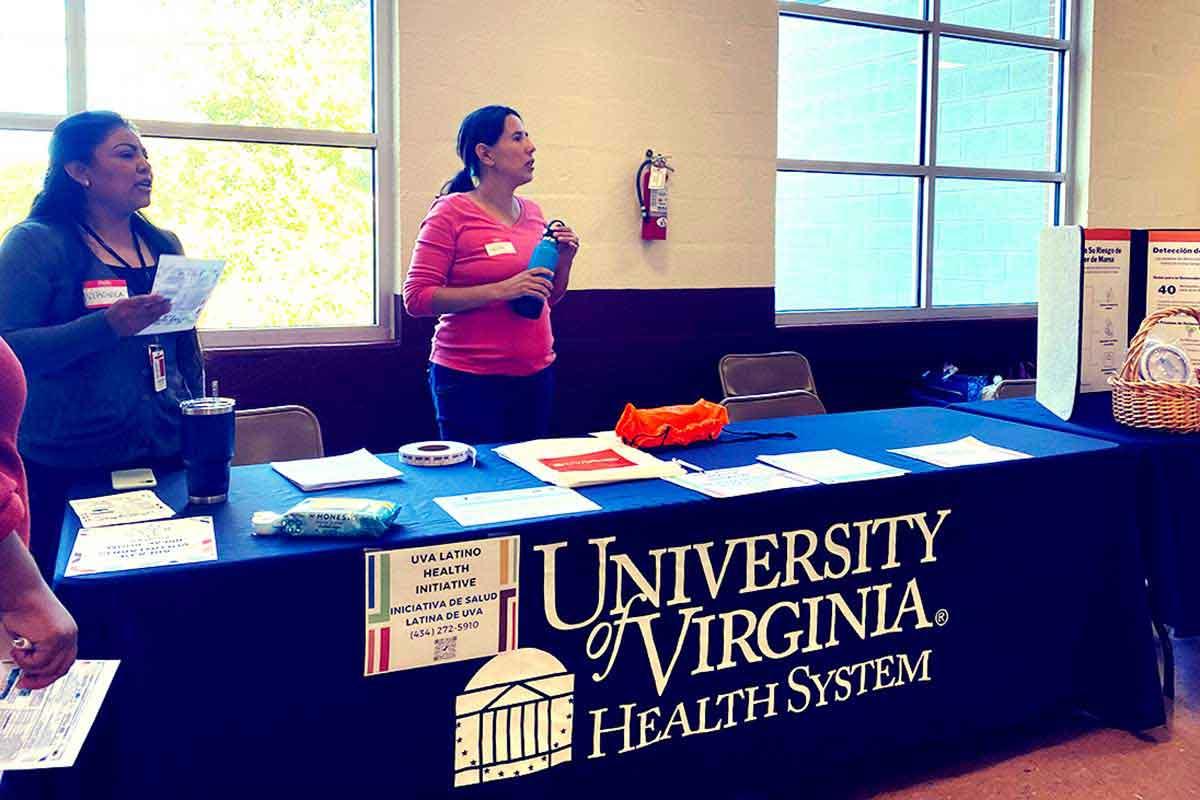
Through his work at UVA Health and with UVA’s Latino Health Initiative, Luna and his colleagues are working to address these obstacles and reduce heart disease disparities as well as other healthcare inequalities.
How Are We Helping Solve This Problem?
It’s not new. Efforts have been made to increase the representation of women and minorities in clinical trials for years. The Revitalization Act of 1993 put out guidelines requiring the inclusion of women and members of minority groups in National Institute of Health (NIH) funded trials. But, the numbers of women and minorities have only somewhat increased over time.
Join a Clinical Trial
Talk to your doctor about joining a clinical trial. You can help discover the treatments of tomorrow.
To make sure clinical trials include all kinds of people, researchers need to work hard to get more diverse patients involved. This means outreach, teaching doctors about inclusion, and helping patients who already don't trust the medical system.
To that end, UVA Health participates in iThriv, the Integrated Translational Health Research Institute of Virginia, funded by the NIH. Luna explains, “There are only 70 academic medical centers in the U.S. that are funded for translational research. One of the key goals is that the research that is funded is translated easily to community members so they learn what is going on and they benefit from the research that is being funded.”
Resources For Outreach and Support
iThriv has a robust series of resources to support clinicians to understand how to help study participants benefit from research. They also:
- Teach researchers how to recruit minorities
- Fund research to improve the representation of vulnerable communities in clinical trials
That extends not just to patients participating in the trials, but to those running the trials, too.
“There has been a concerted effort to improve representation among the scientists. If we don't increase the number of scientists that are from minority groups, we won’t gain that participation and trust from minorities in the scientific process, our institutions, and the clinical setting,” says Luna. Without it, heart disease disparities will likely continue.
Slow Change in the Right Direction
These efforts are having an impact. “I think it’s been positive," Luna says. The local Latino community, for instance, has "seen the UVA Latino Health Initiative present during the good times and the bad times. We have built trust. We were able to provide COVID testing and vaccinate 90% of the Latinos in our district. They see that relationship. Now, when we talk about a potential foreign topic, like research, they are more receptive. They ask, ‘How do I find more information about it?’”
Subscribe to Healthy Balance
Get timely health and wellness tips from UVA Health experts. Plus, stories that will move you.