New Method Identifies Multitarget miRNAs for Glioblastoma Treatment
Despite decades of research, median survival for patients with glioblastoma remains around 15 months. Glioblastoma is extremely difficult to treat due to a combination of factors, including:
- Glioblastoma cells infiltrate surrounding tissue, making complete surgical resection impossible.
- Multiple genes are deregulated, and the combination of deregulated molecules varies between patients and even among cells within a single tumor.
- The blood-brain barrier hinders drug delivery.
Therapies that target multiple deregulated molecules could prove especially effective. However, despite decades of research, no such drugs for glioblastoma have advanced to clinical use. Additionally, combining several drugs can exponentially increasing toxicity.
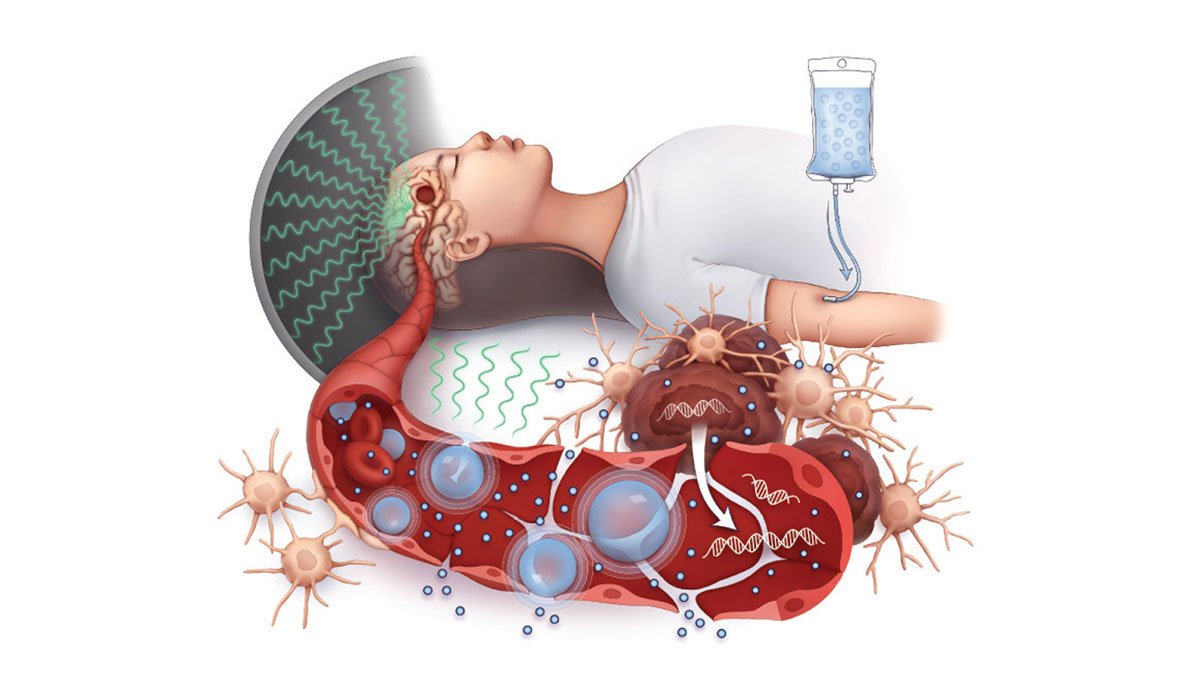
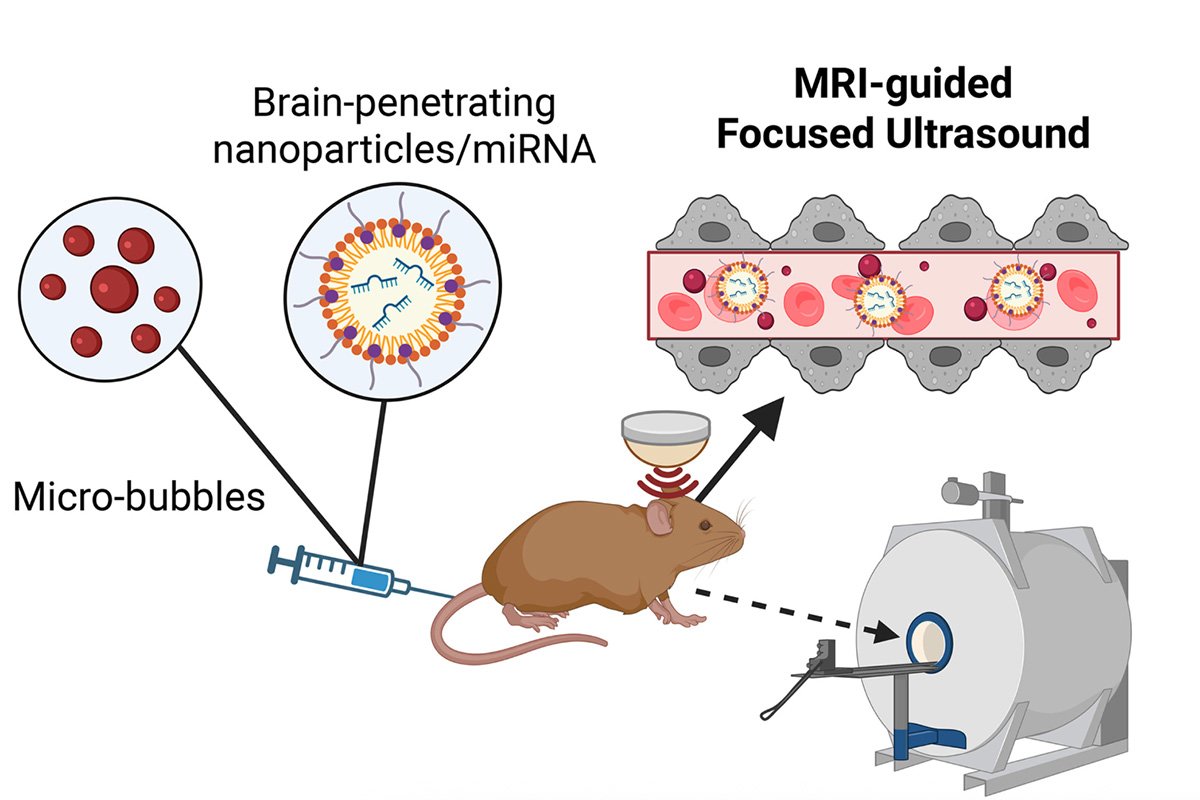
Seeking to overcome these challenges, a group of researchers developed a novel microRNA therapy that targets multiple cancer-promoting pathways in glioblastoma. They used nanoparticles and focused ultrasound to open the blood-brain barrier and enhance therapeutic delivery — with promising early results.
Their work is a key first step to translating a multitarget therapy into clinical trials for glioblastoma and other cancers.
A New Way to Identify Effective Multitarget Therapies
Knowing a single miRNA can regulate multiple genes, the researchers hypothesized the right miRNA could target multiple genetic pathways important to glioblastoma survival and proliferation.
They then created a multistep process to find the most promising miRNAs to test:
- They used a technique called PAR-CLIP to map which genes were targeted by miRNAs expressed in glioblastoma cells. Their analysis identified all gene targets for 611 miRNAs
- The group compared gene expression data from glioblastoma tumors to normal brain samples to identify genes with abnormal expression in glioblastoma.
- They used a computational algorithm to rank the most promising miRNAs based on the number and biological significance of their gene targets, including the magnitude and frequency of deregulation and associations with patient survival.
Through these steps, the researchers narrowed the pool to two tumor-suppressive candidates, miR-340 and miR-382, and one oncogenic, miR-17.
Testing Whether miRNA Manipulation Inhibits Glioblastoma Growth
Next, the researchers tested whether increasing the tumor-suppressive miRNAs miR-340 and miR-382 or inhibiting the oncogenic miR-17 could inhibit glioblastoma growth.
Validating the miRNAs & Testing Their Effects on Glioblastoma Cells
The group tested the miRNA candidates in both established glioblastoma cell lines and patient-derived glioblastoma stem cell lines.
They confirmed that miR-340 and miR-382 suppress multiple cancer-promoting genes, while inhibiting miR-17 restores expression of tumor-suppressive genes. This validated their miRNA identification process.
Manipulating all three miRNAs also reduced glioblastoma cell proliferation and invasion and impaired self-renewal in patient-derived glioblastoma stem cells.
Initial Testing in Animal Models
The researchers manipulated miR-340, miR-382, or miR-17 in glioblastoma cells before implanting the cells into mice. All three significantly reduced tumor growth compared with controls, showing that the antitumor effects observed in cell models also occurred in vivo.
Treating Established Glioblastoma Tumors With Therapeutic miRNAs
Thus far, the researchers had tackled one of glioblastoma’s biggest therapeutic challenges: targeting multiple cancer-promoting pathways simultaneously. When they moved to treating established tumors in mice with miR-340 or miR-382, they tackled another: the blood-brain barrier and tumor penetration.
The researchers used microbubble-enhanced transcranial focused ultrasound (MB-FUS) to temporarily open the barrier, then delivered brain-penetrating nanoparticles carrying genetic material encoding the therapeutic miRNAs. A recent study demonstrated the power of MB-FUS: Paired with standard therapy, it significantly increased survival in humans.
The approach worked. Delivering either miR-340 or miR-382 significantly reduced tumor burden and extended survival compared with controls. The researchers replicated those results in mice with tumors grown from patient-derived glioblastoma stem cells.
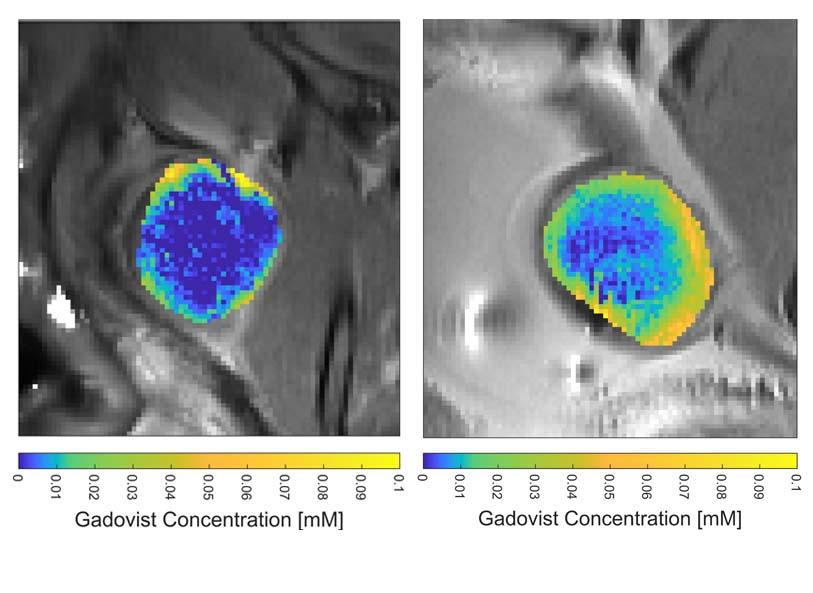
Focused ultrasound proved critical to the delivery strategy. When the researchers administered the miRNA-carrying nanoparticles without opening the blood-brain barrier with MB-FUS, they saw no substantial reduction in tumor burden.
What the Findings Could Mean for Glioblastoma Treatment
The study suggests a potential way to address two longstanding barriers in glioblastoma treatment at once: the need to target multiple cancer-promoting pathways and the difficulty of delivering therapeutics across the blood-brain barrier.
The researchers also say their method for identifying multitarget miRNAs could be applied to other cancers.
The team hopes to ultimately translate the approach into clinical trials. Additional research is needed to establish how broadly the results apply across patient-derived glioblastoma models and to evaluate safety, dosing, and repeated treatment before the approach could move into human testing.